Nano Banana Pro: Google's Next AI Image Model
Google hasn't said the name out loud yet, but the image model that creators keep calling Nano Banana Pro is already hard to ignore. Internally it reportedly goes by GEMPIX2, and the nickname stuck after a string of staged appearances inside Gemini and a lot of chatter on X. The first Nano Banana, the public face of Gemini 2.5 Flash Image, won people over with believable realism and edits that didn't fall apart mid-prompt. The successor looks like it will push harder on the same three things: resolution, control, and comprehension.

What the rumors actually claim
The most repeated version of the story: Nano Banana 2 is built on Gemini 3, an architecture Google hasn't fully rolled out yet. That single detail explains most of the excitement, because the original model shipped on 2.5 Flash and still managed strong character consistency. Google's quiet notes about retiring older image endpoints have only made the speculation louder. Nobody has a confirmed launch date, and the model surfaced briefly on a third-party platform before that window closed, so everything below comes from early hands-on reports rather than an official spec sheet.
Higher resolution, and less cleanup work
Testers who got a few hours with the preview kept landing on the same observation: the images arrive sharper at larger sizes. Talk centers on 2K and 4K output, possibly beyond. The practical effect matters more than the pixel count. When an image comes out clean at full size, you skip the upscale pass, skip the texture patching, and can drop the asset straight into a video pipeline or a print layout without touching it again.
Faster turnaround
People with access to the leaked checkpoint describe noticeably quicker renders. Speed alone doesn't sell a model, but combined with reliable output it changes how a workflow feels. Iterating through ten variations of a product shot becomes an afternoon job instead of an overnight one.
Editing that holds the scene together
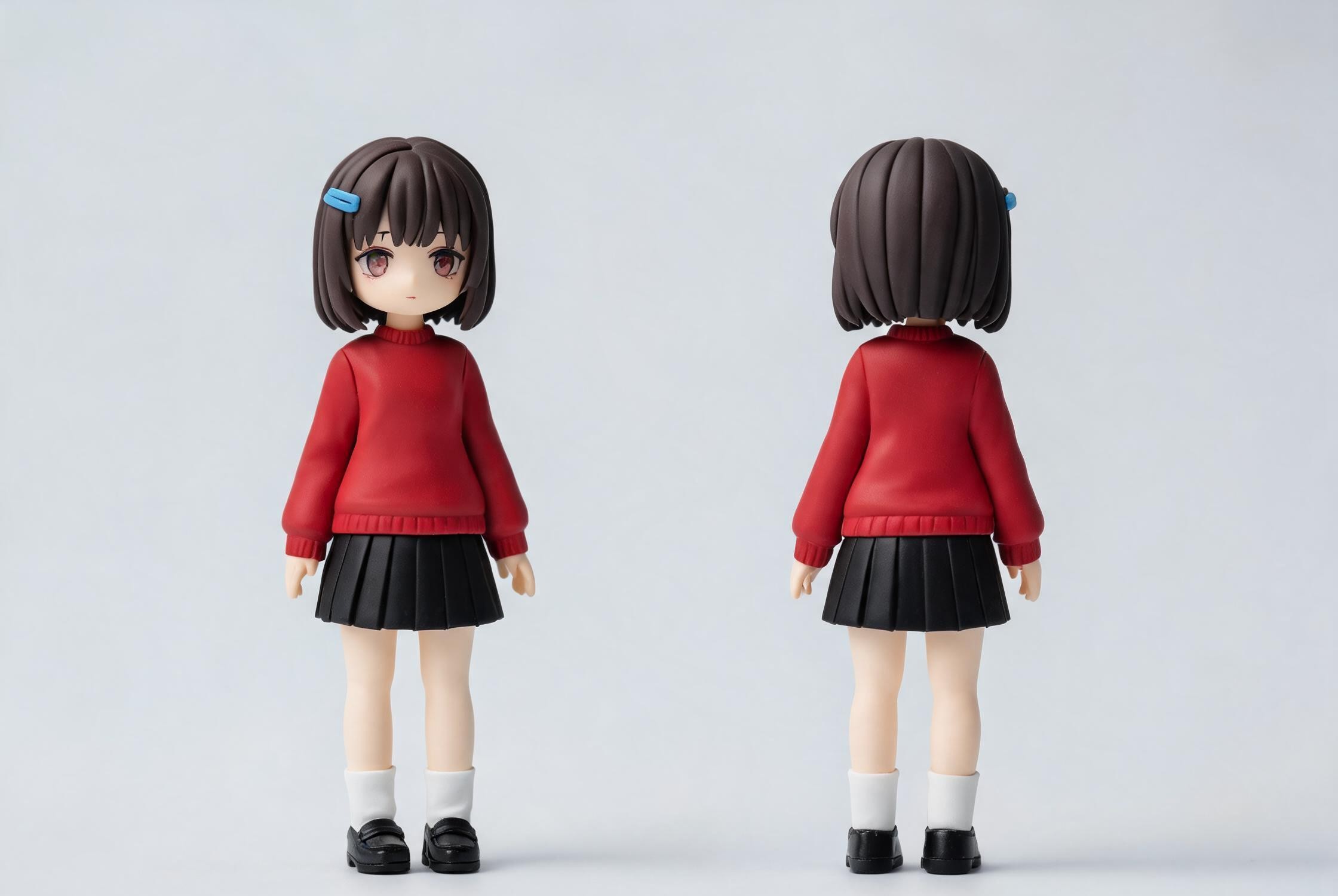
The original model was already good at keeping a character's face, hair, and accessories consistent through repeated edits. Early reports on the new build describe something closer to layered control: move an object, restyle a surface, rotate a character, and the untouched parts of the frame stay put. One widely shared test simply asked the model to turn a character around; the back view matched the front view down to the small details.
Text you can actually read
Garbled lettering has been the running joke of AI image generation. The leaked samples take a real swing at it. A whiteboard packed with dense handwriting came out legible, with no warped strokes or melted characters. Another test converted a stylized game city into a photoreal street while preserving the lighting and camera angle, which suggests the model reads a scene's intent, not just its words.
Remastering and restyling
Beyond single edits, the preview reportedly rebuilds whole scenes: recoloring a flat illustration, assembling an object from parts, translating a rough sketch into a finished frame while keeping the composition faithful to the source.
Translation inside the image
One sample that circulated widely took a black-and-white manga panel, added color, and replaced the Japanese dialogue with English text redrawn neatly inside the speech bubbles. That is three separate tasks answered in one request: reading the original text, translating it, and rendering it back into the layout.
A rough sense of physics
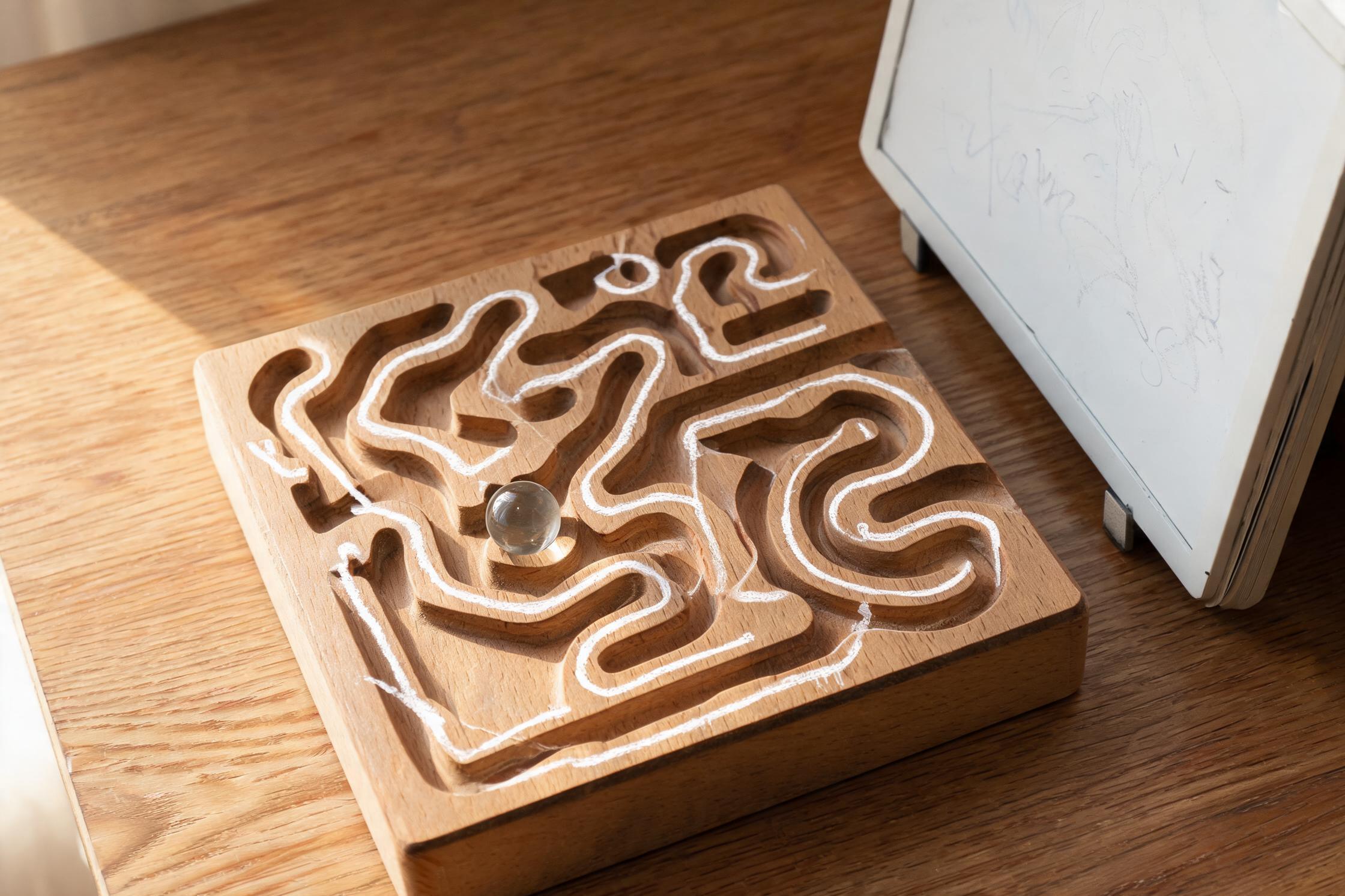
The strangest claim so far: the model appears to reason about motion. Given a maze and a ball, it drew a plausible curved path instead of a random line. If that behavior survives into the official release, this would be the first mainstream image model with anything resembling physical intuition.
Is it worth the wait?
Every capability above comes from a brief, unofficial window, and Google will almost certainly ship a more restricted version when it launches for real. Even so, the direction is clear. Image models are moving from prompt-and-pray generation toward instruction-following editors that understand text, layout, and basic cause and effect. For anyone building a content pipeline around AI visuals, the next Nano Banana release is worth watching closely over the coming weeks.
