
Every claim in this corner of the internet promises the same three things at once: unrestricted, high quality, and free. No tool delivers all three, and understanding which two you are actually getting is the whole game. This guide sorts the adult AI video space by what the platforms genuinely offer, what the free tiers really include, and where the hard ethical lines sit.

First, the line that does not move
Before any tool comparison: one category of software in this space builds videos by taking photos of real, clothed people and digitally removing their clothing. That is non-consensual intimate imagery. It is a crime in a growing number of jurisdictions, it is banned by every payment processor and app store, and no amount of terms-of-service fine print makes it legal or safe to produce or share. Those apps are deliberately excluded from this guide, and the platforms listed here all generate fictional characters instead.
The same logic covers age: any sexual content depicting minors, including AI-generated, is a serious criminal offense everywhere it has been tested in court. Reputable tools enforce both rules; the ones that advertise that they enforce nothing are usually one outage away from disappearing with your data and your payment details attached.
What the free tiers actually give you
Truly free adult video generation is rare, and the honest version of free usually means a first-run trial rather than an ongoing allowance. A representative sample of what that looks like in practice:
Dreemy AI — anime-styled characters with text-to-video generation. The first clip is free at six seconds and 512p, silent; audio output sits behind the paid tier. Character creation and template browsing are free.
ZenCreator — image plus prompt to video, up to 1080p and ten seconds, with a distinctive control: you can supply a final-frame image so the clip ends on a chosen composition. It stops short of full nudity, staying at suggestive poses.
NSFWKlingAI — a Kling-based service, so motion quality is noticeably smoother than most budget options. Free output is capped at five seconds per clip with text or image input only.
The pattern: free tiers are demos. They cap duration around five seconds, resolution at or below 720p, and often mute the audio. That is enough to judge whether a platform's style fits what you want, not enough to run a library.
The paid budget tier

Subscriptions in this category cluster between seven and twenty dollars a month, and the differences are in credit economics more than raw capability:
OurDream — around twenty dollars monthly for a thousand credits; a five-second standard clip costs about a hundred, and extensions bill again. Bundles chat and voice with video, and a public feed is browsable without paying.
DeepSpicy — the cheapest entry near seven dollars, and the most flexible prompter: positive and negative prompts, reference images, optional audio track, output up to 1080p and fifteen seconds. A two-second 720p clip runs about eighty credits.
Soulkyn — priced in euros near twelve a month, resolution ceiling up to 1440p, with preset action galleries doing much of the prompting work for you.
PornWorks — fifteen dollars monthly, video generation from two hundred credits upward, with paid priority for faster queues.
Candy and Dream Companion — companion-first platforms where video is an add-on to chat; per-clip costs are less transparent, which is itself a reason to read the billing page carefully before subscribing.
One number matters more than the sticker price: credits per clip versus clips per month. A seven-dollar plan whose videos cost eighty credits each gives a hobbyist roughly the same monthly output as a twenty-dollar plan at a hundred. Do the division before you decide anything is cheap.
The local option: no gatekeeper, real requirements
The only setup with no platform censorship at all is running the model yourself. ComfyUI is the standard node-based interface; open-source video models like Stable Video Diffusion and VideoCrafter load into it, and the community builds specialized checkpoints and motion adapters on top. Nothing is reviewed, nothing is uploaded, and your prompts stay on your machine.
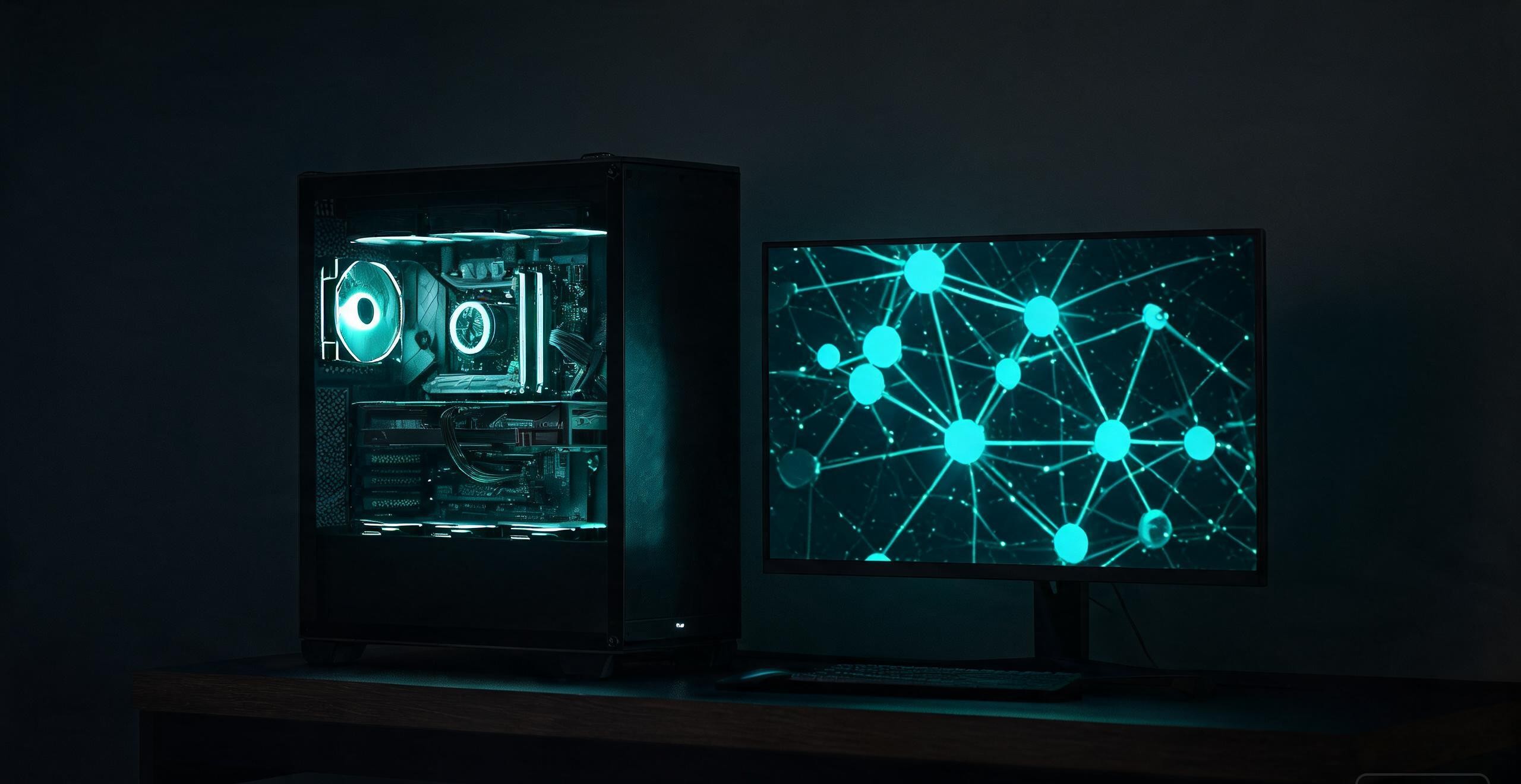
The trade-offs are real: video models want 12 to 24 gigabytes of VRAM, so a recent high-end GPU is the actual price of admission, and the learning curve covers model loading, sampler settings and resolution budgets. It is a hobbyist-to-professional path, not a one-minute onboarding. But for anyone whose priority is privacy, it is the only tier where the output never touches a third-party server.
Length, the constraint nobody escapes
No current generator produces a coherent single clip past roughly ten to fifteen seconds, adult or otherwise. Long videos are assemblies: generate sequential clips, hold the character fixed by reusing the same reference image every time, keep the environment wording identical between prompts, and cut from the end frame of one clip to the start frame of the next. Upscaling is the other half of post-production; free-tier 480p output cleaned up through a face-aware video enhancer is often what makes a clip watchable on a desktop screen.
Protecting yourself on hosted platforms
Hosting adult generations on someone else's servers means trusting their policies with your data. Four habits cut the risk substantially:
Never upload real photos of anyone. Not your own, not a partner's, never a stranger's. Cloud pipelines may cache or train on inputs; a leak is permanent.
Use a dedicated email and a privacy-protected payment method. Billing statements and breach dumps reveal more about browsing habits than the account itself.
Read the retention clause. Platforms differ wildly on whether prompts and outputs are stored, and for how long. Prefer ones that state deletion policies explicitly.
Treat aggressive no-limits marketing as a warning sign. A service advertising that it checks nothing is usually one chargeback away from vanishing, taking your stored data with it.
The bottom line
The realistic map looks like this: hosted platforms offer convenience and cap your freedom; local models offer freedom and cost you a GPU and a learning curve; every free tier is a five-second audition. Decide which constraint you can live with before comparing features, keep every generation clearly fictional, and let the safety rules be the one thing you never optimize away.
