
OpenAI has become a 'sleepless employee': even after you finish work, it is still working
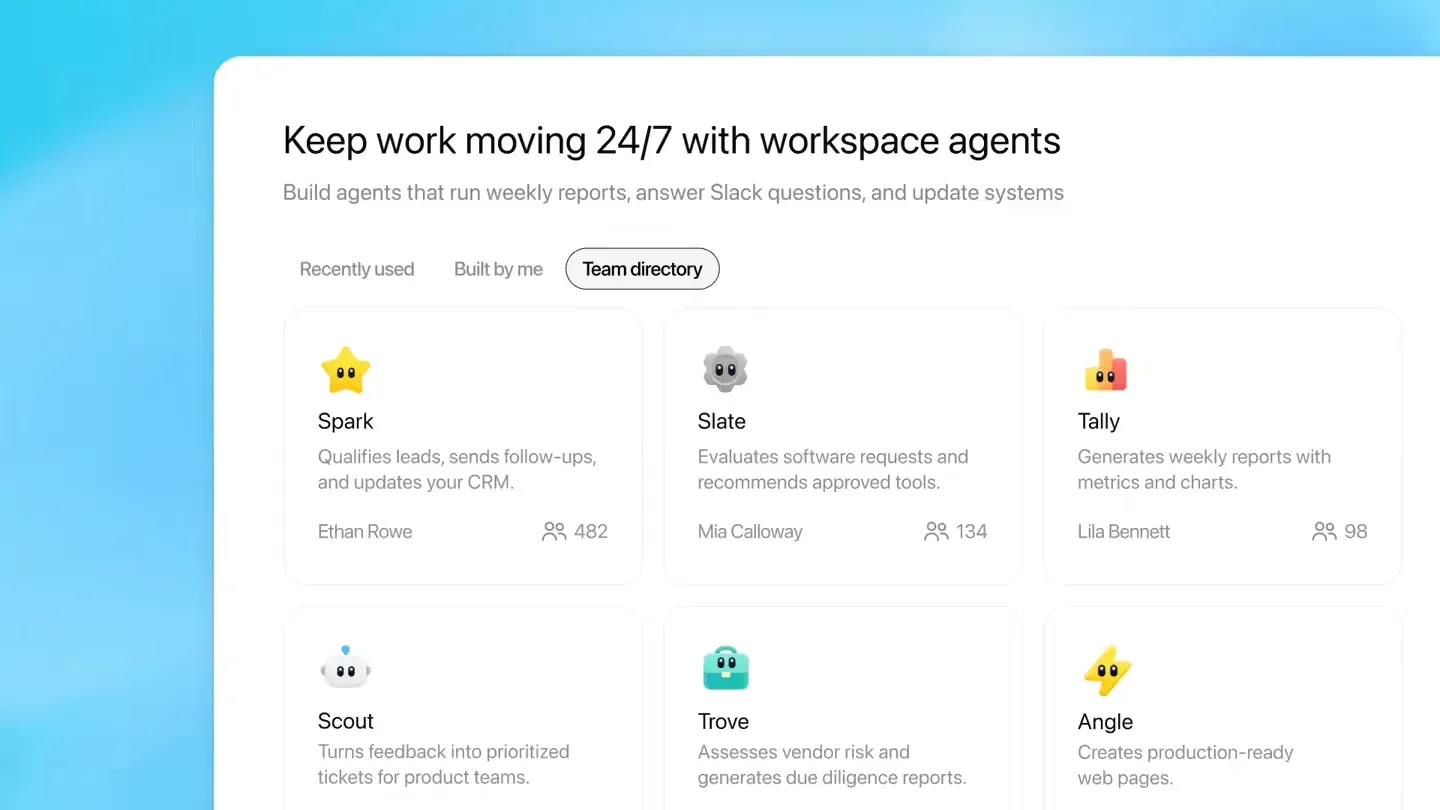
OpenAI has launched a new feature in ChatGPT: Workspace Agents.
Its core selling point is completely different from previous GPTs - GPTs are a one-time conversation where you ask and answer; Workspace Agents are "virtual employees" with independent workspaces in the cloud, capable of storing files, running code, calling tools, remembering previous interactions, and most importantly, they are still working after you finish work.
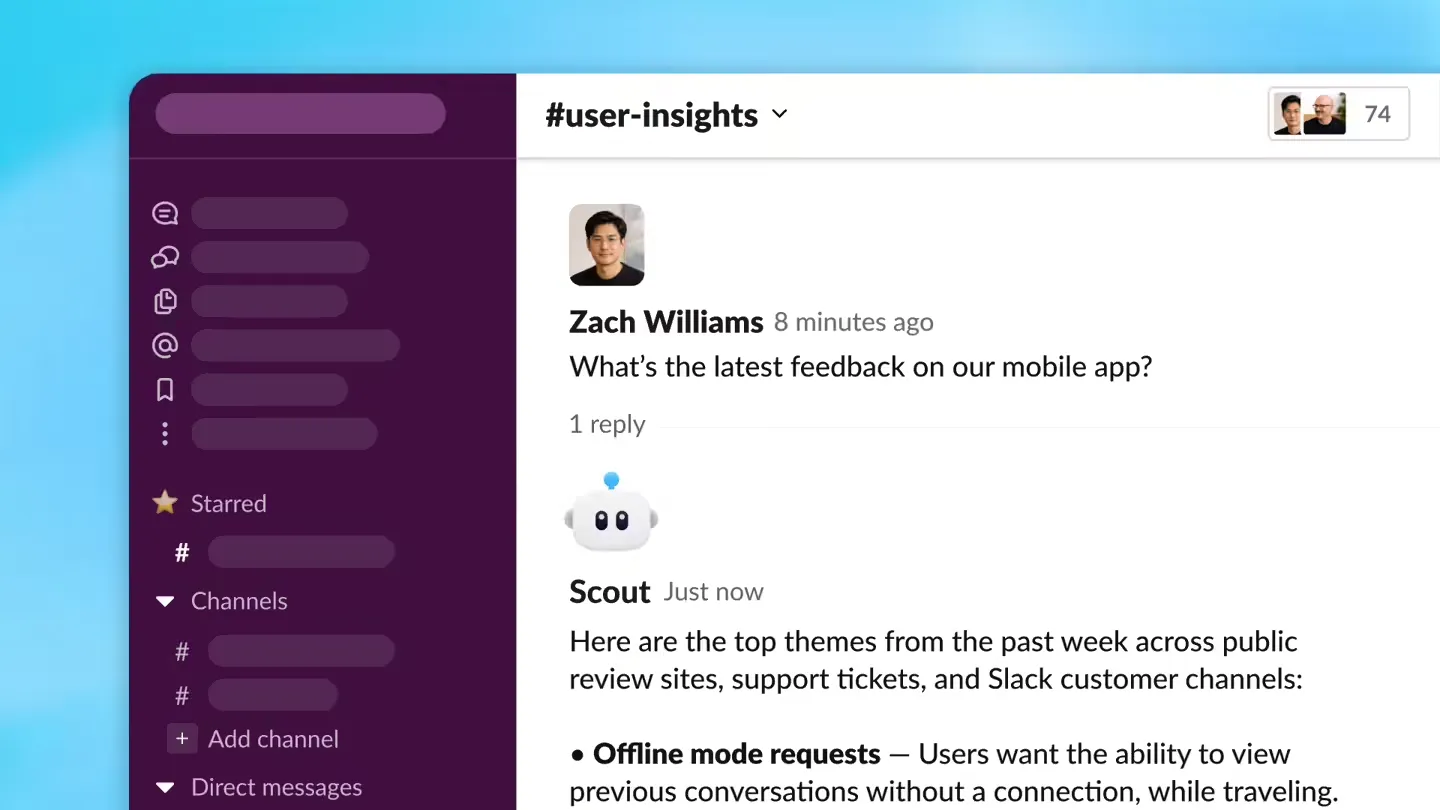
From 'Q&A Assistant' to 'Task Executor'
The positioning of Workspace Agents is to handle complex and long-term workflows.
The traditional AI assistant model is: user questions → AI answers → dialogue ends. This mode is suitable for simple consultations, but not for complex tasks that require multiple steps, span across multiple tools, and last for hours or even days.
The change made by Workspace Agents is to transform AI from a "conversation assistant" to a "task executor". You assign it a task, and it will plan its own execution steps, call necessary tools, store intermediate results, adjust strategies when encountering problems, until the task is completed. This process can span multiple working days, and team members can check progress, supplement information, and adjust direction at any time.
Core competencies: files, code, tools, memory
Workspace Agents possess four core competencies:
File processing: Intelligent agents can read, edit, and create files in the workspace. For example, if you ask it to 'organize this month's project progress report', it will open relevant documents, extract key information, and generate summary files on its own.
Code execution: The underlying layer is supported by Codex, and the agent can execute code, debug programs, and analyze data. For example, if you ask it to 'analyze the outliers in this sales data', it will write code to process the data and generate analysis results.
Tool invocation: The intelligent agent can invoke office software such as Slack to automatically submit work orders, reply to messages, and link documents. The product team can enable agents to automatically answer employee questions on Slack channels, reducing repetitive communication.
Memory storage: The intelligent will remember the previous interaction content and context, and reuse this information in subsequent tasks. This means you don't need to explain the background information again every time.
Cloud 7 × 24 operation: a solution for cross time zone collaboration
A key feature of Workspace Agents is continuous operation in the cloud.
Previously, when using AI for tasks, it was necessary to keep the dialogue window open and then interrupt it when it was closed. Workspace Agents have independent workspaces in the cloud, and even if you close your browser or go home from work, it continues to perform tasks.
This is particularly valuable for cross time zone team collaboration. For example, a team distributed between Beijing and New York, where the Beijing team assigns tasks after work and the New York team can see the results when they start work; Alternatively, the New York team assigns tasks after work and the Beijing team continues to handle them during work. Intelligent agents become "asynchronous collaboration nodes" between teams.
OpenAI has already started using it internally
OpenAI is already using this tool internally:
Sales team: The intelligent agent automatically organizes call records and screens potential customers. Previously, salespeople had to manually record, organize, and categorize phone calls, but now these steps can be handed over to intelligent agents.
Accounting team: Use intelligent agents to handle the month end closing process. The original statement "the originally tedious month end closing process has been shortened to a few minutes" may be a bit exaggerated, but at least it indicates a significant effect in process optimization.
Free preview period and billing model
The feature is currently open for research preview to ChatGPT Business, Enterprise, and Education users.
Free trial before May 6th, 2026. After the preview period ends, the system will switch to a point based billing model - billing is based on token usage and tool calls.
OpenAI also plans to introduce more features, including automatic triggers (which automatically start tasks when a certain condition is met) and performance analysis dashboards (which visually display the productivity gains brought by AI agents).