
Computer-generated accounts now pull millions of views, keep loyal followings, and earn real money from brand work. None of it happened by accident. The people behind these accounts treat them like a small media channel: one character, one point of view, and a steady stream of posts.
The good news is that the tools have finally caught up. You no longer need a 3D studio or an animation team. A laptop, a clear idea, and a repeatable workflow are enough to get started.
What Makes One Work
Feeds today sort content by interest, not by who you follow. A stranger can land on your posts simply because the algorithm thinks they fit. That is how a well-built character grows fast with zero starting audience.
What keeps people around is familiarity. The character needs a look, a tone, and a life that feel the same in every post. When the face shifts between pictures, the spell breaks and the account stops feeling like a person.
Define the Person Before the Pictures
Decide who this character is before generating anything. What is their niche? What do they talk about? Who are they talking to? A fashion character behaves differently from a fitness one, and a polished, aspirational tone performs differently from a casual, relatable one.
Write the answers down in one short paragraph: age range, style, hobbies, opinions, the kind of places this person hangs out. That single page of notes will guide every caption, outfit, and background that comes later.
Keep One Face Across Every Post
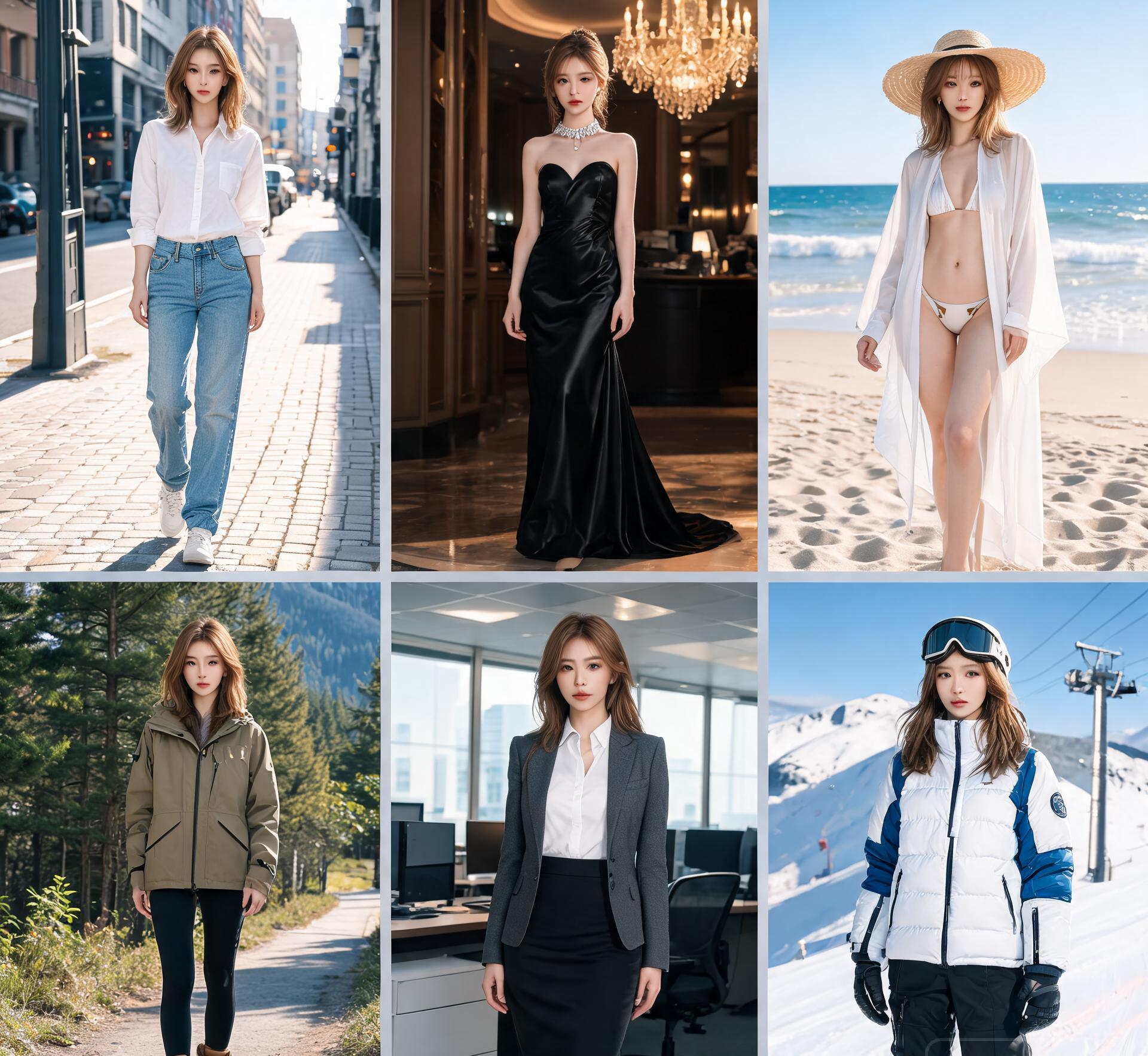
This is the step most beginners skip, and it is the one that matters most. Generate a handful of versions of your character, pick the one that looks the most stable, and lock it in as your base. From there, change outfits, locations, and poses, but keep the face anchored to the same reference.
Most current tools let you save a character or feed a reference image into new generations. Use whichever method yours supports, then test it: put twelve recent posts side by side. If they read as the same person, you are ready to publish.
Build a Posting Rhythm You Can Repeat
Once the character is fixed, the job shifts from creating to producing. Plan three or four content categories and rotate through them: a morning routine, a close-up portrait, an outfit shot, a trend post. The repetition is what an audience learns to recognize.
Batch your work. A single session with a good generator can produce a week of posts, because you can render several variations of the same character in different settings at once. Schedule them out and you stop staring at an empty feed every night.
Move From Stills to Video
Photos stop the scroll; clips travel further. Short video is what feeds push on Instagram and TikTok, and a character that moves and reacts holds attention far longer than a static image.
Image-to-video tools make this simple: upload a picture of your influencer, describe the movement you want, and render a short clip. Start small, a wave, a walk, a look over the shoulder, then build toward mini stories once the character feels right in motion.
Give the Character a Voice
Lip sync tools let your influencer speak any script you write, and some video models now generate sound in the same pass as the clip. If you want to reach other markets, dubbing can translate a finished video into a dozen languages and re-time the mouth movements to match.
Whatever method you use, keep the voice consistent. Daily routines, small opinions, and short personal stories all work. What your character says matters as much as how they look.

Grow First, Earn Later
Growth is repetition plus refinement. Post often, recreate trends that already carry attention, and watch which formats pull numbers. A virtual character helps here, because you can test five ideas in the time a human creator shoots one.
Income follows traction. Brands already pay virtual creators for sponsored posts, product placements, and ad style content, and a digital character can wear any outfit or stand in any setting within minutes. Affiliate links and content licensing round things out once the audience is large enough.
A Simple Weekly Routine
One session to generate and pick the week's images
One or two short clips cut from the best stills
Three to five posts scheduled across the week
Fifteen minutes reviewing which posts performed
None of this is complicated. The accounts that work are the ones that never break character and never miss a week.
