The demo that broke the internet was eleven seconds long: a recognizable movie star, rendered from nothing, doing something he never did. It spread across social platforms in February and made the case — better than any spec sheet — that ByteDance's Seedance 2.0 was the most capable public video model alive. By mid-March, according to reports, the model's planned global launch had been shelved. The cause was not compute, safety testing or a bug. It was a stack of cease-and-desist letters from Hollywood.
What actually happened

Seedance 2.0 debuted in the Chinese market in early February and immediately went viral for photorealistic generation that held together across cuts — multi-shot sequences where the camera moved, physics behaved and subjects stayed themselves from frame to frame. Demonstration clips featuring the likenesses of A-list actors circulated widely and became the product's most persuasive advertisement, which is precisely what made them a legal problem. Reports say Disney and other major studios responded with takedown demands alleging intellectual property infringement, and ByteDance paused the global rollout to deal with compliance before shipping anywhere else. The company has not published a detailed account; the sequence above is assembled from what has been reported.
The feature and the liability are the same thing
It is tempting to frame this as an unfortunate accident of marketing — the wrong demo, sent to the wrong continent. The structure says otherwise. Seedance 2.0's headline capability is four-modality conditioning: it accepts text, image, audio and video as inputs and generates coherent multi-shot output that obeys them. Feed it a face, a voice, a shot composition, and it reproduces all three with fidelity. That is what makes it a genuine tool for filmmakers and advertisers. It is also, mechanically, what makes it an infringement engine: the same reference-acceptance that lets a brand lock its product's appearance lets anyone lock a celebrity's face or a studio's character. The capability cannot be partially shipped. The pause is not a bug in the launch plan; it is the product's central feature colliding with the legal framework around likeness and copyright.
The legal ground is genuinely unsettled
Three separate bodies of law are in play, and none has a clean answer yet. Copyright covers the training data and the output's similarity to protected works — the question every studio lawsuit is circling, with no settled verdict anywhere. Right of publicity covers the actors whose faces appeared in the demos; unlike copyright, it is state-level, person-specific and famously unforgiving to commercial use. And the provenance question — what the model was trained on, and whether licensed footage was involved — remains opaque, because no lab has opened its dataset to third-party audit. Every AI video company is currently operating on borrowed time in at least one of these three zones. Seedance 2.0 just happened to be the model whose demo made the clock visible.
From a compute race to a compliance race
For two years, AI video competition looked like a GPU race: whoever trained the biggest diffusion transformer won the timeline. This episode suggests the ranking variable is changing. A model that cannot legally ship to the world's largest entertainment market is worth less than a slightly weaker one that can. The strategic implication reaches every lab in the field: output filtering, likeness detection, provenance watermarking and licensing deals are moving from compliance overhead to core product features, the way app-store review became part of software development rather than a tax on it. ByteDance's position sharpens the point — the company behind TikTok has more distribution and recommendation infrastructure than almost anyone, and none of it helps if the asset being distributed triggers studio lawyers on arrival.
What a restart would have to look like
Reading the situation generously, the pause buys engineering time for three things. A hard refusal layer for celebrity likeness and protected characters, enforced at generation time rather than by policy document. Some form of licensing conversation with the studios whose properties the demos showcased — the path the music industry eventually forced on video platforms a decade ago, and which ended, imperfectly, in revenue-sharing. And a disclosure posture: model cards that say what was trained on, because the ambiguity is itself now a legal exposure. None of this is cheap or finished, which is why "mid-March" became "unscheduled" rather than "mid-April." The realistic timeline is measured in months of negotiation, not a patch.
The uncomfortable center the industry has to find
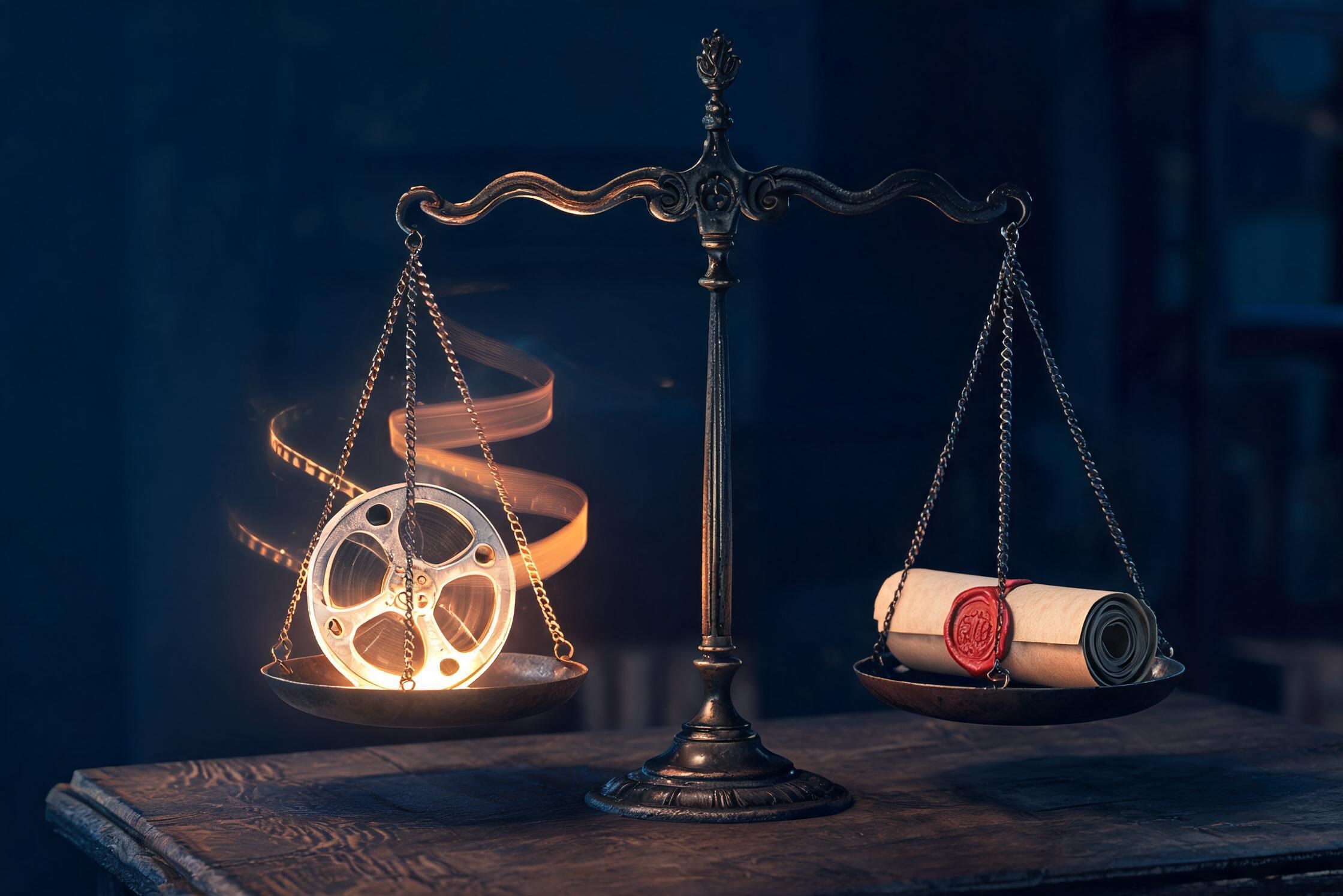
There is no version of this story where one side is simply right. Studios are defending assets — a character's likeness is a franchise's most liquid property, and a model that reproduces it from a screenshot is a counterfeiting machine with better manners. Creators are also right that the technology is real: the same weights that fake a movie star let an independent filmmaker with no budget storyboard a feature, and locking that genie away to protect merchandise revenue would be its own kind of injustice. The workable settlement almost certainly looks like the one streaming forced on television: not prohibition, not free-for-all, but licensed access with payment flowing to rights holders. Seedance 2.0's pause is arguably the first market-sized test of whether that deal can be struck before launch instead of after a decade of lawsuits. Whether the next global video model ships with licensing baked in — or waits for a court to write the rules — is the question this eleven-second demo actually asked.
