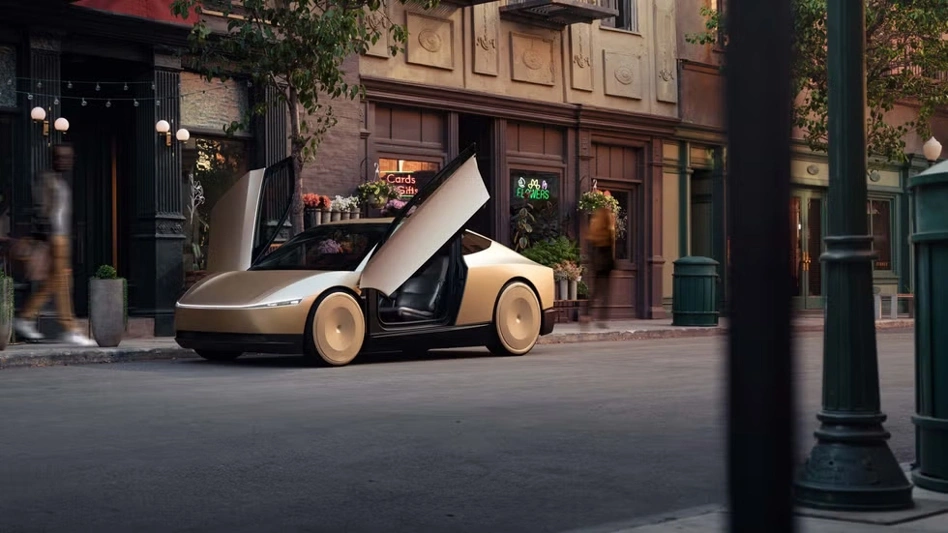
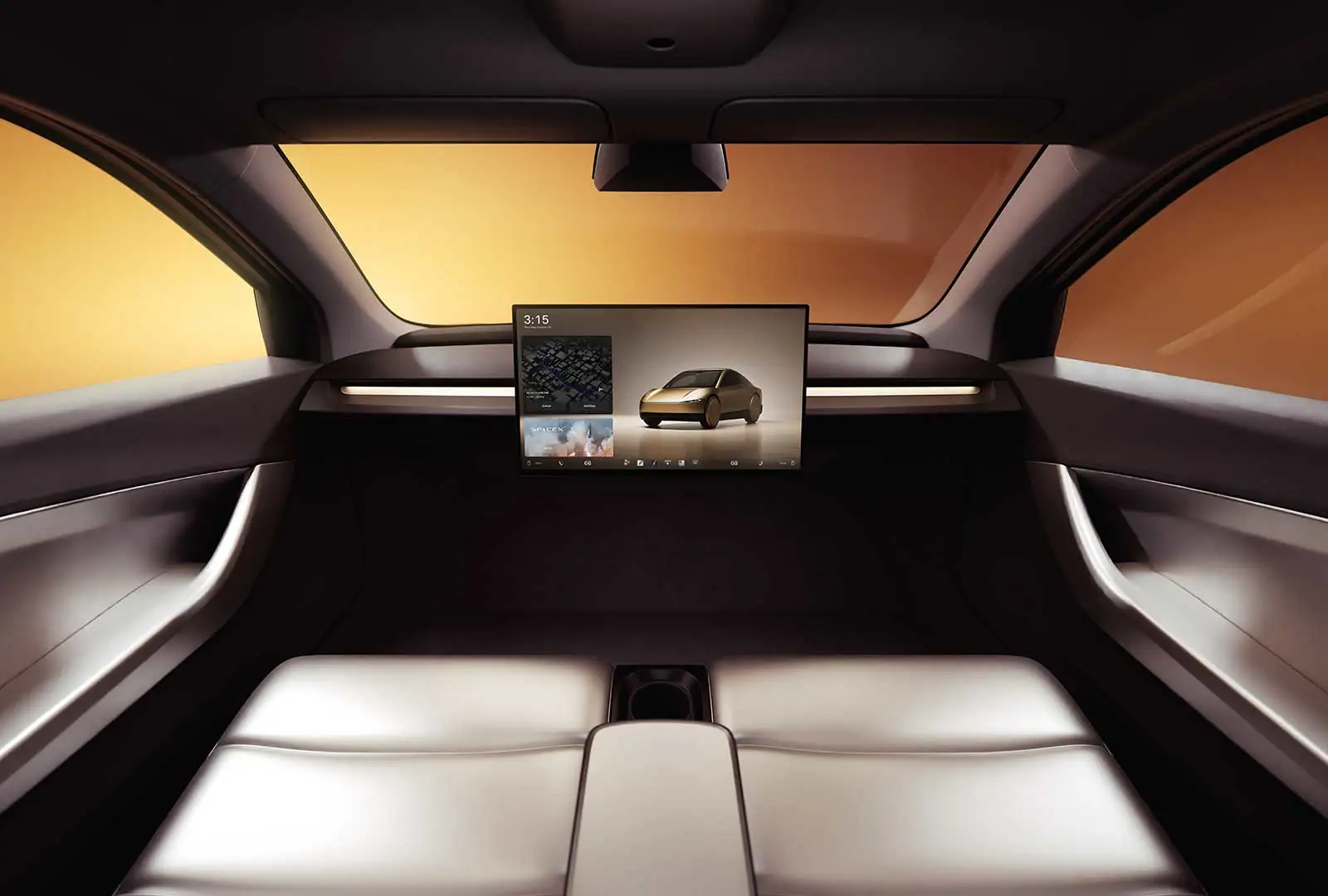
Since the birth of the first car, the steering wheel and pedals have been standard equipment. And Musk directly deleted them all. With no steering wheel, no pedals, and only a large screen, the Tesla Cybercab declared that the era of human driven cars is coming to an end. This car model, which Musk has dubbed the "mobility revolution," not only breaks the century old design conventions of automobiles, but also has the potential to reshape the entire transportation industry. Today, we will comprehensively dissect its origins and profound impact
The Birth and Mass Production Path of Cybercab
The emergence of Cybercab is not accidental, but the result of Tesla's years of deep cultivation in autonomous driving technology.
In April 2024, Musk revealed for the first time that he would launch an autonomous taxi. The initial plan was to announce it in August, but it was later postponed to October. At the "Our Robots" launch event, the Cybercab concept version was officially launched, and the model showcased on site had already removed the steering wheel and pedals, causing industry shock.
After more than a year of testing and optimization, Cybercab will conduct an autonomous driving cruise near the Texas Gigafactory in March 2025 and complete winter extreme weather testing in the same year.
On February 18, 2026, Cybercab officially went into mass production at the Texas Gigafactory, nearly two months ahead of schedule. Musk confirmed that large-scale production will begin in April, with a target annual production capacity of 2 million vehicles and a price controlled within $30000. The plan is to pilot operations in Texas and California, USA, and gradually expand globally by 2027.
Disruptively rewriting the century old logic of modern automobiles
The impact of Cybercab on the modern automotive industry is comprehensive and disruptive.
Thorough innovation in design logic
Since the invention of automobiles, the steering wheel, accelerator, and brake pedal have been the core of control, and Cybercab has completely removed these components and adopted a pure visual FSD system to achieve L5 level autonomous driving, transforming cars from "driving tools" to "intelligent mobile spaces".
The Revolution of Production and Cost
Relying on Tesla's unboxing manufacturing process, Cybercab components have been reduced by 41%, production hours have been shortened by 65%, and the manufacturing cost of a single vehicle has been reduced to $25000, which is more than 50% lower than traditional models, completely breaking down the cost barriers of traditional car companies. At the same time, it has also impacted traditional travel modes, with an operating cost of only $0.2 per mile, far lower than traditional ride hailing services, which will have a negative impact on the taxi and ride hailing industries.
The Future Trends of Autonomous Driving and Travel Ecology
The mass production of Cybercab indicates that the automotive industry will enter a new stage of development.
L5 level autonomous driving will accelerate its popularization
With technological iteration and regulatory improvement, the design without steering wheel and pedals will gradually become the mainstream of Robotaxi, and traditional driving related components will gradually exit the historical stage.
The mode of transportation will shift from "private car purchase" to "travel as a service"
The problem of high idle rate of private cars will be alleviated, and shared mobility will become the mainstream choice.
The industry landscape will be reshuffled
Tesla, with its technological and cost advantages, is expected to dominate the global Robotaxi market. If traditional car companies do not accelerate their transformation, they will face the risk of being eliminated. At the same time, the related industrial chain will also undergo changes, with new development opportunities in fields such as LiDAR and wire controlled chassis, while the traditional parts industry will face capacity optimization.
Of course, there are still challenges under the trend, such as improving regulatory frameworks, building public trust, and adapting to extreme scenarios, all of which need to be gradually addressed.
A travel revolution beyond cars
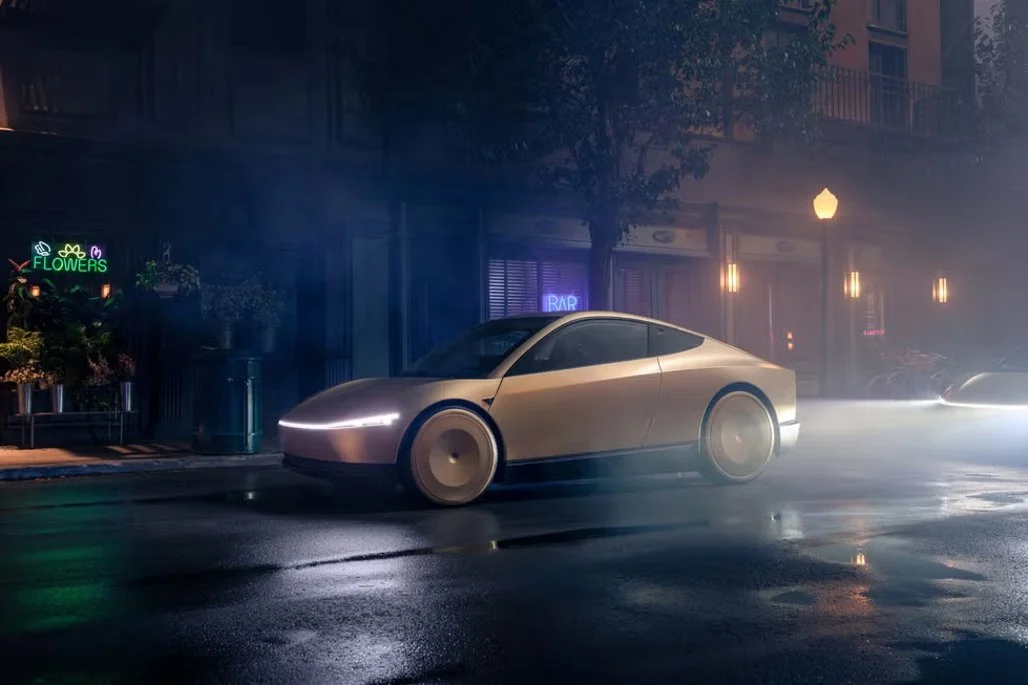
The emergence of Tesla Cybercab has never been an iteration of a new car, but a complete overthrow of the century old design, travel mode, and industry logic of automobiles. It not only cancels the steering wheel and pedals, but also the human dependence on car control, ushering in a new era of AI driven travel.
The mass production of this car not only demonstrates Tesla's technological strength, but also heralds a new era of transportation - in the future, cars will no longer be tools that require human driving, but intelligent mobile terminals that integrate office, entertainment, and rest. Although it still faces many challenges, it cannot be denied that Cybercab has taken a crucial step in disrupting the transportation industry, and this revolution led by Musk will ultimately profoundly change our way of life.